
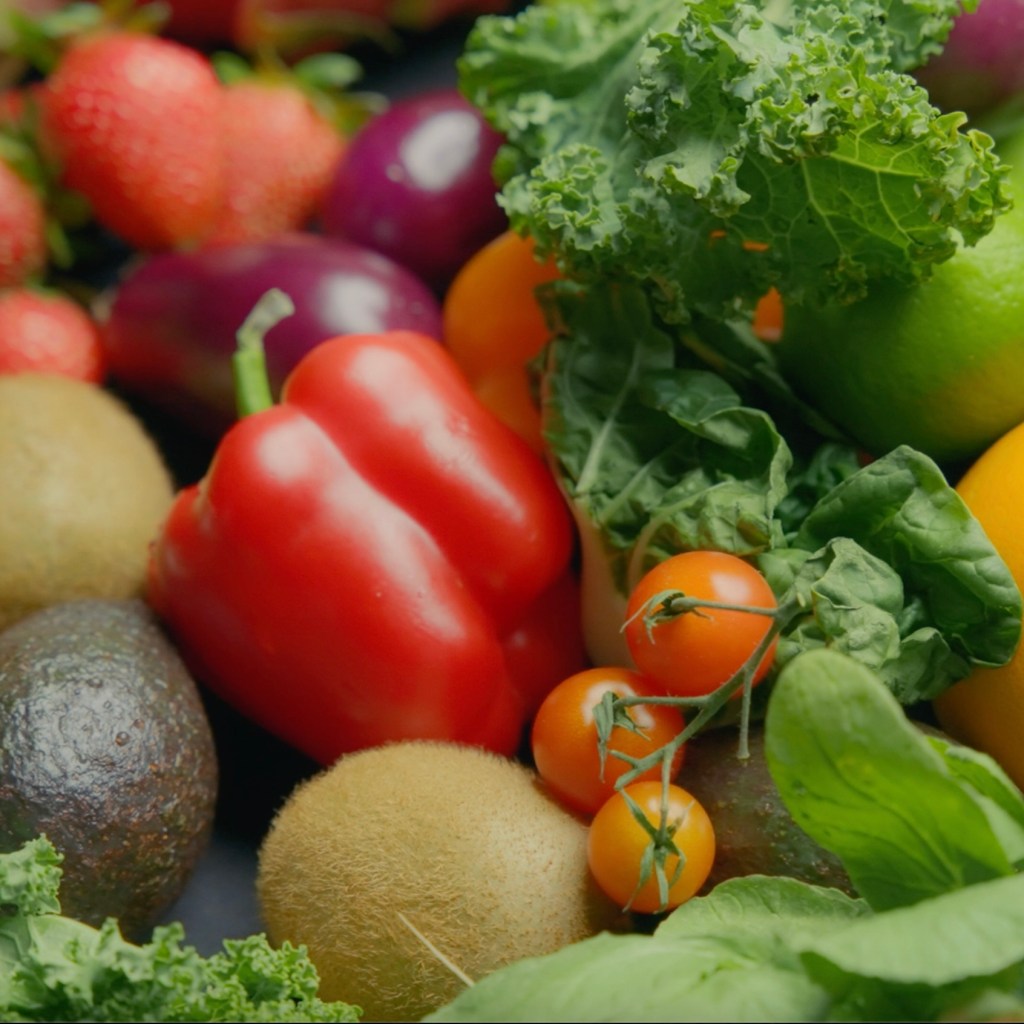
In the world of nutrition trends, fiber often gets sidelined while protein powders, superfoods, and low-carb diets dominate headlines. This humble nutrient, found exclusively in plant foods, deserves far more attention for its profound role in supporting overall health. Dietary fiber is frequently underappreciated, yet evidence consistently shows its importance in preventing and managing chronic conditions.
Fiber comes in two primary forms: soluble, which dissolves in water to form a gel-like substance, and insoluble, which adds bulk to stool. Soluble fiber helps lower blood cholesterol and glucose levels, while insoluble promotes regularity and prevents constipation. High-fiber diets are linked to reduced risks of heart disease, stroke, type 2 diabetes, certain cancers (including colorectal), and obesity. It also fosters a diverse gut microbiome, aids weight management by promoting satiety, and supports better blood pressure control. Despite these well-documented benefits, most adults fall short of recommended intakes—typically 25-38 grams per day (around 25-30g for women and 30-38g for men, depending on age and calorie needs)—often due to reliance on processed foods that strip away this essential component.
Why does fiber remain overlooked? Modern eating patterns favor convenience, refined grains, and animal products over whole plants. But incorporating more fiber doesn’t require drastic changes; gradual increases prevent digestive discomfort like bloating. Start by adding 5 grams weekly while drinking plenty of water.
Simple strategies include:
- Choose whole grains over refined (e.g., brown rice, quinoa, oats instead of white versions).
- Eat fruits and vegetables with skins on when possible.
- Add legumes (beans, lentils, chickpeas) to soups, salads, or mains.
- Include seeds like chia or flax in meals or snacks.
- Aim for fiber at every meal: top breakfasts with berries and seeds, snack on veggies or fruit, and load dinners with greens and beans.
Here are practical, plant-based recipes to boost intake:
High-Fiber Breakfast Smoothie (≈10-12g fiber): Blend 1 banana, 1 cup frozen berries (e.g., raspberries or mixed), a handful of spinach, 1 tablespoon chia seeds, and plant-based milk (like almond or oat). This quick option delivers soluble fiber from fruits and seeds for sustained energy.
Bean and Quinoa Salad (≈15g+ fiber per serving): Mix 1 cup cooked quinoa, ½ can black beans (rinsed), chopped cucumber, tomatoes, bell peppers, and a lemon-olive oil dressing. Add fresh herbs for flavor. It’s hearty, portable, and packed with both soluble and insoluble fiber from beans and grains.
Lentil Stir-Fry (≈12g fiber): Sauté cooked lentils with broccoli, carrots, onions, and garlic over brown rice. Season with herbs or spices. This comforting dish highlights legumes’ fiber while keeping preparation simple.
Embracing fiber is about abundance, not restriction—filling plates with whole plants leads to better digestion, steady energy, and long-term wellness. Prioritizing this overlooked nutrient transforms daily eating into a powerful health strategy. Start small today, and the benefits will compound over time.
 Ono products
Leave a comment