
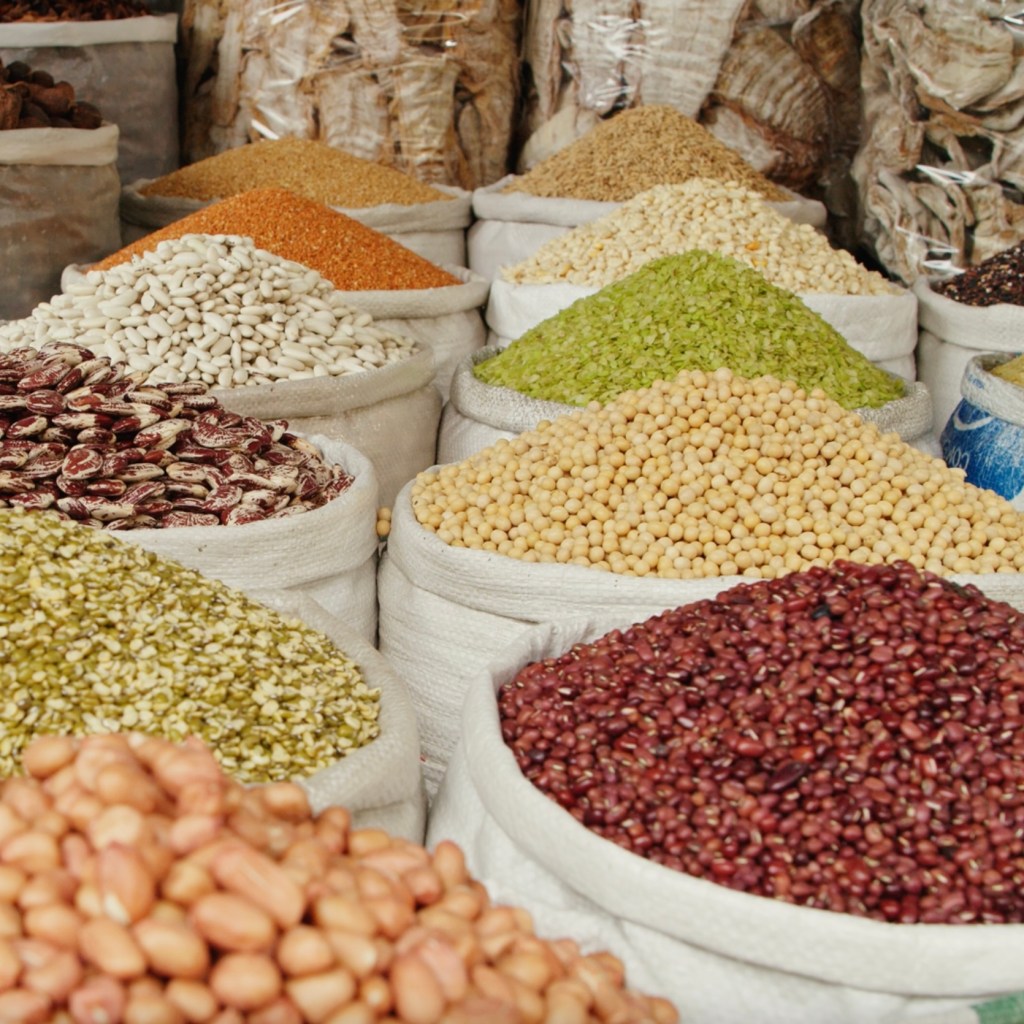
In a world obsessed with protein shakes and meat-heavy diets, plant-based protein often gets dismissed as inferior or insufficient. Yet, this couldn’t be further from the truth. The real story of protein revolves around essential amino acids—the building blocks our bodies can’t produce on their own. These nine amino acids must come from food, and contrary to popular belief, a well-balanced plant-based diet can easily supply them all without relying on animal sources.
The misconception that animal products are the only reliable protein source stems from outdated ideas about “complete” proteins. While some animal foods contain all essential amino acids in one package, plants offer them too—often requiring a mix of sources like grains, legumes, nuts, and seeds throughout the day. For instance, combining rice and beans or hummus with whole-grain pita creates a complete profile. Research shows that as long as calorie needs are met in a varied plant-based diet, protein deficiency is rare.
Another myth is that most people don’t get enough protein. In reality, the average adult consumes far more than the recommended 0.8 grams per kilogram of body weight daily—often 1.5 times that amount or more.
This excess comes easily from everyday foods, and plant-based eaters are no exception when they prioritize whole foods.
Dr. Christopher Gardner, a renowned nutrition researcher at Stanford University, has extensively studied this through randomized controlled trials. His work, including comparisons of plant-based and animal-based diets, demonstrates that shifting toward plant proteins not only meets nutritional needs but also improves health outcomes like reduced inflammation, better weight management, and lower chronic disease risk.
In a TEDx talk, Gardner emphasizes that most people overconsume protein while skimping on fiber, and plant-based swaps enhance both health and environmental sustainability.
His research on plant-based meat alternatives shows they can match animal proteins in supporting cardiovascular health, debunking fears of inadequacy.
Excellent examples of plant-based protein powerhouses include chia, flax, and hemp seeds. Chia seeds pack about 5 grams of protein per two tablespoons, plus omega-3s and fiber for heart health. Flaxseeds offer similar benefits with 4 grams of protein and lignans that support hormone balance. Hemp seeds shine with 10 grams per three tablespoons, providing a complete amino acid profile akin to animal sources, making them ideal for smoothies or salads.
To incorporate more, start with simple swaps: add hemp to oatmeal, sprinkle chia in yogurt, or grind flax into baked goods. A balanced plate might include quinoa (8g protein per cup), lentils (18g per cup), and tofu (20g per half-cup)—all plant-derived and amino acid-rich.
Embracing plant-based protein isn’t about restriction; it’s empowerment. By ditching myths and focusing on variety, you gain not just adequate nutrition but superior health benefits, as Gardner’s decades of research affirm. Next time you hear “Where do you get your protein?” remember: plants have you covered.
 Ono products
Leave a comment